Understanding the Water Reclaim System
The significance of water reclamation systems has surged in recent years, driven by the increasing demands for sustainable water management practices. A Water Reclaim System serves as a vital infrastructure component designed to treat and recycle wastewater, thereby turning it into a reusable resource. These systems not only contribute to efficiency but also support environmental sustainability. When exploring options, Water Reclaim System solutions are at the forefront of technology, offering compact and effective designs suited for various applications.
What is a Water Reclaim System?
A water reclaim system is an engineered setup that collects, treats, and reuses wastewater, typically from industrial, agricultural, or municipal sources. The main objective is to reduce the dependency on freshwater sources and to mitigate the environmental impacts associated with wastewater disposal. By employing various treatment technologies, these systems can purify treated water to a quality suitable for various applications like irrigation, industrial processing, and even potable uses in some advanced setups.
How Does a Water Reclaim System Work?
Water reclaim systems function through a series of treatment processes that can include physical, biological, and chemical methods. The primary stages can be broken down as follows:
- Collection: Wastewater is gathered from various sources, including industrial plants, treatment facilities, and runoff from agricultural sites.
- Pre-Treatment: This phase involves removing large debris and particulate matter through screening and sedimentation.
- Main Treatment: Advanced technologies such as Membrane Bioreactor (MBR), Ultrafiltration (UF), and Reverse Osmosis (RO) are employed to further purify the water, removing even minute contaminants.
- Post-Treatment: The treated water is sterilized to eliminate pathogens and ensure safety for its intended use.
- Distribution: The reusable water is then distributed for various applications, which can include agricultural irrigation or industrial processes.
Types of Water Reclaim Systems Available
There are various types of water reclaim systems, each tailored to specific needs and applications:
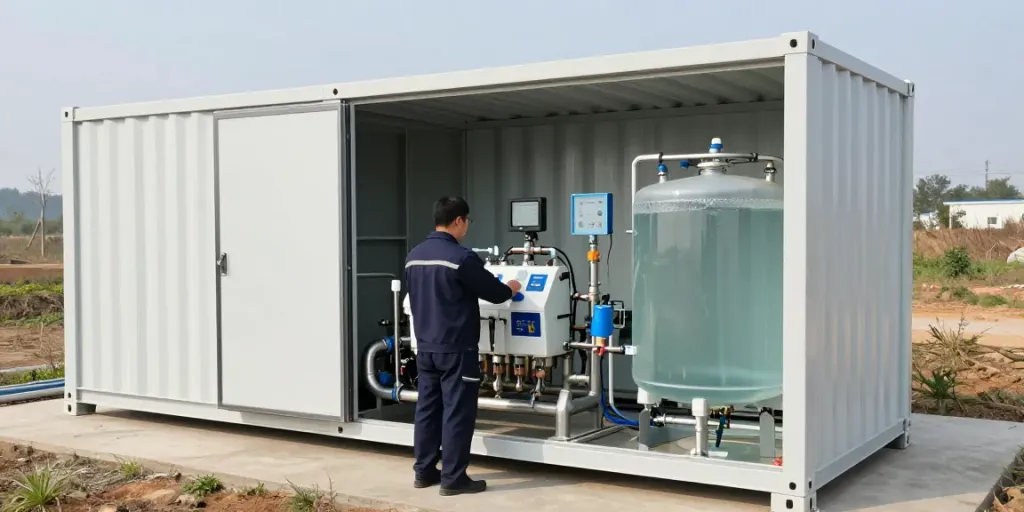
- Containerized Systems: Compact, portable units that can be rapidly deployed for immediate needs. Ideal for remote locations and temporary setups.
- Centralized Treatment Systems: Large-scale facilities designed to accommodate significant amounts of wastewater, often utilized in urban areas.
- Decentralized Systems: Smaller units located nearer to the source of wastewater, allowing for localized treatment and reuse.
- Modular Systems: Pre-engineered units that can be adjusted in size and capacity based on operational requirements.
Benefits of Implementing a Water Reclaim System
Cost Savings and Resource Conservation
Implementing a water reclaim system can lead to substantial cost savings. By recycling water, organizations can significantly reduce their water bills and decrease the costs associated with wastewater treatment and disposal. Moreover, reclaiming water helps conserve valuable freshwater resources, which is crucial in areas facing water scarcity.
Environmental Impact and Sustainability Goals
Water reclaim systems play a critical role in environmental preservation. By reducing the volume of wastewater entering treatment plants and water bodies, these systems help mitigate pollution and safeguard ecosystems. Furthermore, they support sustainability goals by promoting the responsible use of water, aligning with initiatives aimed at reducing carbon footprints and enhancing resilience against climate change.
Enhancing Water Quality and Safety
Advanced filtration technologies integrated into water reclaim systems ensure high-quality output, making the treated water suitable for various applications. Regular monitoring and testing of reclaimed water help maintain its quality and safety, providing peace of mind for users and complying with regulatory standards.
Common Misconceptions About Water Reclaim Systems
Are Water Reclaim Systems Only for Large Industries?
One prevalent misconception is that water reclaim systems are solely for large industries or municipalities. In reality, various systems exist that cater to different scales of operation, from small businesses to expansive agricultural applications. Even residential units are becoming popular for homeowners looking to adopt more sustainable practices.
Can Reclaimed Water Be Used for All Purposes?
While reclaimed water can be used for many applications, it is essential to recognize that the intended use dictates the level of treatment required. For instance, water reused for irrigation may need less stringent processes compared to water intended for potable use. Proper guidelines and standards should always be followed to ensure safety and compliance.
Is Water Reclamation Expensive?
The initial investment in a water reclaim system may seem high; however, the long-term savings and environmental benefits often outweigh these costs. Additionally, advancements in technology continue to reduce the financial barriers associated with water reclamation, making it more accessible for various operations.
Best Practices for Water Reclaim System Implementation
Conducting a Feasibility Study
Before implementing a water reclaim system, conducting a thorough feasibility study is crucial. This assessment should evaluate the availability of wastewater, required treatment levels, potential end uses, and economic implications. A clear understanding of these factors will guide entities in making informed decisions that maximize efficiency and effectiveness.
Choosing the Right Technology and Equipment
The selection of technology and equipment is vital to the success of a water reclaim system. Factors such as the type of wastewater, required quality of reclaimed water, and available space must be considered. Engaging with experts in the field will ensure that organizations choose the best-fit solutions for their unique needs.
Regular Maintenance for Optimal Performance
To sustain optimal performance, regular maintenance of the water reclaim system is necessary. This includes routine inspections, cleaning, and servicing of equipment, which will ultimately extend the lifespan of the system and ensure consistent water quality for reuse.
The Future of Water Reclaim Systems in 2026 and Beyond
Emerging Technologies and Innovations
As we look ahead to 2026 and beyond, the water reclamation industry is poised for significant innovations. The integration of artificial intelligence and machine learning is expected to streamline operations, enhance monitoring, and predict maintenance needs. New materials and processes will also emerge to improve filtration efficiency, leading to higher quality reclaimed water.
Regulatory Changes Impacting Water Reclamation
The regulatory landscape surrounding water reclamation is continuously evolving. New policies aimed at promoting water conservation and sustainability will likely encourage broader adoption of reclaim systems. Staying abreast of regulatory changes will be essential for businesses seeking to integrate water reclamation into their operations.
Case Studies: Successful Implementations Around the World
Global examples of successful water reclaim system implementations highlight the effectiveness and adaptability of these technologies. For instance, cities like Singapore have adopted extensive water reclamation programs, allowing them to mitigate water scarcity challenges while promoting sustainable practices. Analyzing these case studies can provide valuable insights and inspiration for other regions.
What are the costs associated with water reclaim systems?
The costs associated with water reclaim systems vary greatly depending on factors such as the scale of implementation, technology employed, and maintenance requirements. A comprehensive cost analysis should include both upfront and operational costs to provide a clear understanding of financial implications.
Is reclaimed water safe for irrigation?
Reclaimed water can be safe for irrigation when treated adequately to meet specific safety standards. Regulations exist to ensure that reclaimed water used for irrigation does not pose health risks to humans or animals, making it a viable and sustainable option for agricultural practices.
How do I choose the right water reclaim system?
Selecting the right water reclaim system involves evaluating multiple factors, including the volume of wastewater generated, intended use of reclaimed water, treatment requirements, and budget constraints. Consulting with industry experts can provide clarity and guidance in making the most informed decision.
What are the operational challenges in water reclamation?
Operational challenges in water reclamation can include maintaining system efficiency, ensuring compliance with regulations, and managing the variability of wastewater quality. Addressing these challenges through proactive planning, continuous monitoring, and adaptive management strategies is essential for successful implementation.
What trends are shaping water reclaim technology today?
Current trends shaping water reclaim technology include a focus on sustainability, increased automation, and the pursuit of circular economy principles. As technology continues to advance, the water reclaim industry is expected to innovate rapidly, paving the way for more effective and efficient solutions.