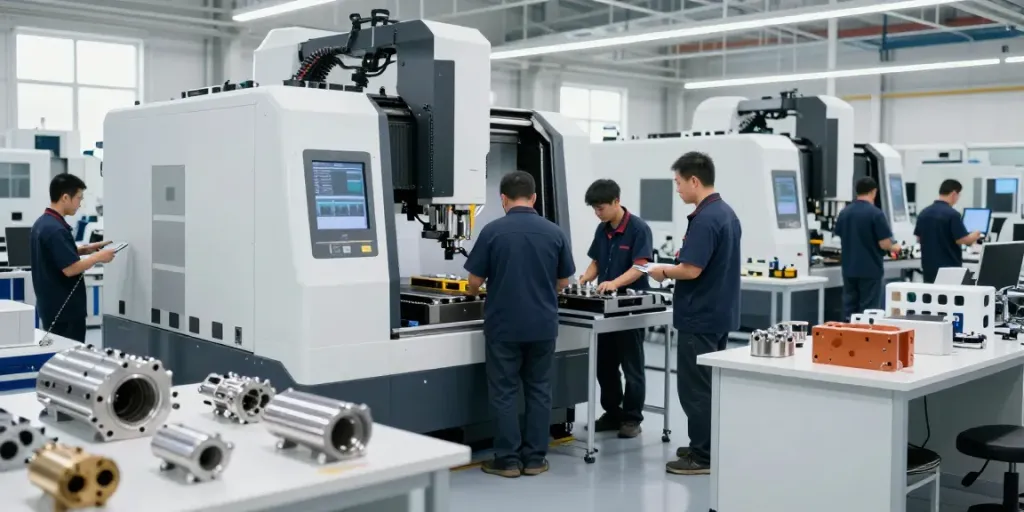
Understanding Aerospace CNC Machining
CNC (Computer Numerical Control) machining has become a vital technology in the aerospace industry, where precision and reliability are paramount. Since 2003, Honscn has been at the forefront of providing professional CNC machining services tailored specifically to the needs of aerospace manufacturers. This article will delve into the intricacies of aerospace CNC machining, including the critical materials involved, the importance of adherence to precision standards, and how to select the right manufacturer for your projects. When exploring options, leading aerospace cnc parts manufacturers can provide comprehensive insights into the best practices for successful aerospace component production.
What is CNC Machining and Its Importance in Aerospace?
CNC machining is an automated process that utilizes computer software to control machine tools. This technology allows for the intricate manipulation of parts to produce high-precision components. In the aerospace sector, the stakes are high; components must adhere to strict safety standards and performance benchmarks. CNC machining enables manufacturers to produce parts with exceptional accuracy, ensuring they meet the rigorous demands of flight applications.
The significance of CNC machining in aerospace lies in its ability to produce parts that are not only accurate but also complex. For instance, components such as airfoil shapes and intricate engine parts can be created with high repeatability. As aircraft designs become more sophisticated, the manufacturing processes must evolve to keep pace.
Key Materials Used in Aerospace CNC Machining
The selection of materials in aerospace machining is crucial, as they must withstand extreme conditions and contribute to overall performance. Some of the most commonly used materials include:
- Aluminum Alloys: Lightweight and strong, these alloys are frequently used in aircraft structures.
- Titanium Alloys: Known for their high strength-to-weight ratio and corrosion resistance, titanium is essential for components subjected to extreme temperatures.
- Stainless Steel: Used for its excellent strength and resistance to oxidation, stainless steel parts are common in aircraft engines.
- Composite Materials: Increasingly popular, composites offer reduced weight and increased strength, making them ideal for airframes and wings.
In addition to metals, various plastic materials, such as polycarbonate (PC) and polyether ether ketone (PEEK), play a vital role, particularly in interior components and systems where weight reduction is critical.
Precision Standards and Certifications in Aerospace
Aerospace manufacturers must adhere to stringent standards to ensure the safety and reliability of their products. Certifications such as AS9100 and ISO9001:2015 set the framework for quality management systems in aerospace. These standards dictate the processes and protocols that manufacturers must implement to ensure consistent quality and traceability of parts produced. It is essential for manufacturers to undergo regular audits and maintain compliance with these certifications, as they are crucial for gaining the trust of clients in the aerospace sector.
Choosing the Right Aerospace CNC Parts Manufacturer
Selecting a CNC parts manufacturer is a critical decision that can impact the success of aerospace projects. It is essential to consider several factors to ensure that the manufacturer possesses the capabilities required to meet your specific needs.
Factors to Consider When Selecting a Manufacturer
When evaluating potential CNC machining partners, consider the following factors:
- Experience and Expertise: Look for manufacturers with a proven track record in aerospace machining. Experience can provide insights into best practices and emerging trends.
- Technology and Equipment: Assess the manufacturer’s technology capabilities. Advanced CNC machines, software, and automation can enhance production efficiency and quality.
- Quality Control Measures: Inquire about the quality control processes in place, such as inspection protocols and testing facilities, to ensure parts are produced to specifications.
Evaluating Manufacturer Capabilities and Experience
Once you have identified potential manufacturers, further evaluate their capabilities by requesting case studies or references. A reputable manufacturer should be able to demonstrate successful projects similar to yours. Consider their capacity for both rapid prototyping and mass production, as flexibility in production capabilities can be a significant advantage for evolving project requirements.
Comparing Quotes: Quality vs. Cost in CNC Machining
While cost is an essential factor when evaluating manufacturers, it should not come at the expense of quality. Obtain detailed quotes that include not only pricing but also the materials, processes, and lead times involved. A low-cost option may lead to compromises in quality, which could have dire consequences in the aerospace industry.
Advanced Technologies in Aerospace CNC Machining
The aerospace industry is continuously evolving, and so too are the technologies that drive CNC machining processes. Understanding these technologies can help manufacturers maintain a competitive edge.
Emerging Trends in CNC Machining for Aerospace
Some emerging trends include:
- 5-Axis Machining: This technology enhances the ability to create complex geometries in a single setup, reducing production time and improving accuracy.
- Additive Manufacturing: Often referred to as 3D printing, this method is gaining traction for producing lightweight components while reducing material waste.
- Internet of Things (IoT): The integration of IoT technologies enables real-time monitoring of production processes, leading to improved efficiency and predictive maintenance.
The Role of Automation and Robotics
Automation and robotics are also transforming aerospace CNC machining. Automation allows for streamlined processes, reducing the likelihood of human error, while robotics can enhance precision and speed in production. As demand increases, the ability to automate processes will become increasingly crucial for manufacturers seeking to scale production without compromising quality.
Integrating Software Solutions for Enhanced Precision
Advanced software solutions for CAD (Computer-Aided Design) and CAM (Computer-Aided Manufacturing) facilitate more precise machining processes. Integrating these tools allows manufacturers to visualize and simulate machining operations before actual fabrication, leading to significant gains in efficiency and accuracy.
Case Studies of Successful Aerospace Projects
Examining successful aerospace projects can provide valuable insights into effective CNC machining solutions.
Innovative CNC Machining Solutions in Aerospace Development
For instance, a notable aerospace company faced challenges in producing a lightweight component that demanded both rigidity and precision. By employing advanced 5-axis machining, they were able to produce the part in fewer setups, significantly enhancing throughput while ensuring quality standards were met.
Real-World Applications of Aerospace CNC Parts
Aerospace CNC parts find applications in various aircraft systems, including:
- Engine Components: High-performance engine parts require stringent tolerances that can be achieved through precise CNC machining.
- Structural Components: CNC machining allows for the production of complex structures that must withstand aerodynamic forces during flight.
- Interior Components: Lightweight and ergonomically designed parts enhance passenger comfort and operational efficiency.
Lessons Learned from Aerospace Manufacturing Projects
Analyzing past projects often reveals best practices that can be applied to future endeavors. Key takeaways include the importance of proactive communication with manufacturers, rigorous testing protocols, and continuous improvement practices that embrace feedback for future projects.
Future Outlook for Aerospace CNC Parts Manufacturers in 2026
The aerospace CNC machining landscape is poised for significant changes as technological advancements and market demands evolve. Manufacturers must remain agile and responsive to these changes to stay competitive.
Market Trends Influencing Aerospace CNC Machining
Several key trends are expected to shape the future, including:
- Increased Use of Composites: As aircraft designs become more innovative, the demand for composite materials is projected to rise, requiring specialized machining capabilities.
- Sustainability Initiatives: Manufacturers are increasingly focusing on sustainable practices, such as reducing environmental impact and utilizing recyclable materials.
Challenges Facing Aerospace Parts Manufacturers
Despite the growth potential, manufacturers face challenges, including:
- Supply Chain Disruptions: Global supply chain issues can impact material availability and lead times.
- Regulatory Compliance: Keeping up with changing regulations and standards can be resource-intensive and complex.
Strategic Opportunities for Growth in the Aerospace Sector
To overcome challenges, manufacturers should focus on building strategic partnerships, investing in technology upgrades, and enhancing workforce training programs. By fostering innovation and collaboration, aerospace CNC parts manufacturers can position themselves for success in an evolving market landscape.
What are the top challenges for aerospace CNC manufacturers?
Key challenges include maintaining quality amidst increasing demand, navigating regulatory complexities, and ensuring the supply chain's resilience against disruptions.
How to ensure quality in aerospace CNC machining?
Quality assurance in CNC machining can be achieved through rigorous testing protocols, adhering to industry standards, and implementing continuous improvement practices that incorporate feedback and audits.
What future technologies will impact aerospace manufacturing?
Technologies such as additive manufacturing, advanced robotics, and IoT will play crucial roles in enhancing manufacturing processes, improving precision, and optimizing production workflows.
How can companies remain competitive in CNC machining?
To remain competitive, companies should invest in advanced technologies, adopt sustainable practices, and continuously upskill their workforce to adapt to new manufacturing demands.
What materials are most commonly used in aerospace CNC parts?
Common materials include aluminum alloys, titanium alloys, stainless steels, composites, and various plastic materials, each chosen for their specific properties that meet aerospace performance requirements.