Understanding TradingView: A Comprehensive Overview
In today's fast-paced financial markets, having the right tools at your fingertips is essential for effective trading. TradingView has emerged as a leading platform that allows traders and investors to streamline their research and trading strategies. This article delves into what TradingView is, how it operates, and the key features that set it apart from other platforms. By exploring this multifaceted tool, both beginners and experienced traders can gain insights that may enhance their trading journey.
What is TradingView and How Does It Work?
TradingView is a web-based platform designed for the analysis of financial markets. It provides a range of features, including charting tools, technical indicators, and community features that allow users to share insights and strategies. Users can create custom layouts, utilize various chart types, and access real-time market data. The platform's user-friendly interface, coupled with its powerful capabilities, makes it suitable for traders of all experience levels.
Key Features and Benefits for Traders
- Comprehensive Charting Tools: TradingView offers a wide variety of chart types, including line, candlestick, and bar charts, enabling traders to analyze price movements in detail.
- Custom Indicators: Users can create and implement custom indicators using Pine Script, TradingView’s proprietary programming language, enhancing the platform's versatility.
- Alerts and Notifications: Traders can set up alerts based on price levels or technical indicators, ensuring they never miss a critical market movement.
- Community Insights: TradingView features a social component where traders can share strategies, ideas, and analyses, fostering a collaborative trading environment.
- Multi-Device Access: With desktop and mobile app versions available, users can access their charts and data anytime, anywhere.
Market Coverage: Stocks, Forex, and Cryptocurrencies
One of the standout features of TradingView is its extensive market coverage. Users can track stocks from major exchanges, forex pairs, cryptocurrencies, and commodities. This comprehensive access allows traders to analyze different asset classes within a single platform, making it an invaluable tool for diversified trading strategies. Whether you're focusing on the volatility of cryptocurrencies or the steady movements in forex markets, TradingView has the tools to support your trading endeavors.
Common Misconceptions About TradingView
Despite its popularity, there are several misconceptions about TradingView that can mislead potential users. Understanding these can ensure that traders fully leverage what the platform has to offer, improving their overall trading experience and outcomes.
Is TradingView Free or Paid? Understanding the Pricing Structure
TradingView operates on a freemium model, meaning that it offers both free and paid subscriptions. The free version includes many essential features, making it suitable for casual traders. However, the paid versions unlock additional features such as more indicators, advanced charting options, and additional alerts. By considering your trading needs, you can decide whether the free option suffices or if a subscription is worthwhile for enhanced capabilities.
The Myths of TradingView’s Community Features
Some believe that the community features of TradingView only cater to experienced traders, which is simply not true. While seasoned traders often share their analyses and strategies, beginners can also benefit significantly by observing market discussions and engaging with more knowledgeable traders. This exposure can be invaluable for learning and improving one's trading skills.
Are Alerts and Notifications Effective?
Another myth is that alerts and notifications are unreliable or ineffective. In reality, TradingView's alert system is robust. Traders can set alerts based on specific criteria, such as price movements or indicator levels, and receive timely notifications. This feature can aid significantly in making quick decisions, especially in volatile markets.
Mastering the Trading Process on TradingView
Mastering the Trading Process on TradingView involves effectively utilizing the platform's features to develop a systematic and disciplined trading approach. By following a structured process, traders can enhance their performance and improve their decision-making capabilities.
Setting Up Your Trading Workspace Effectively
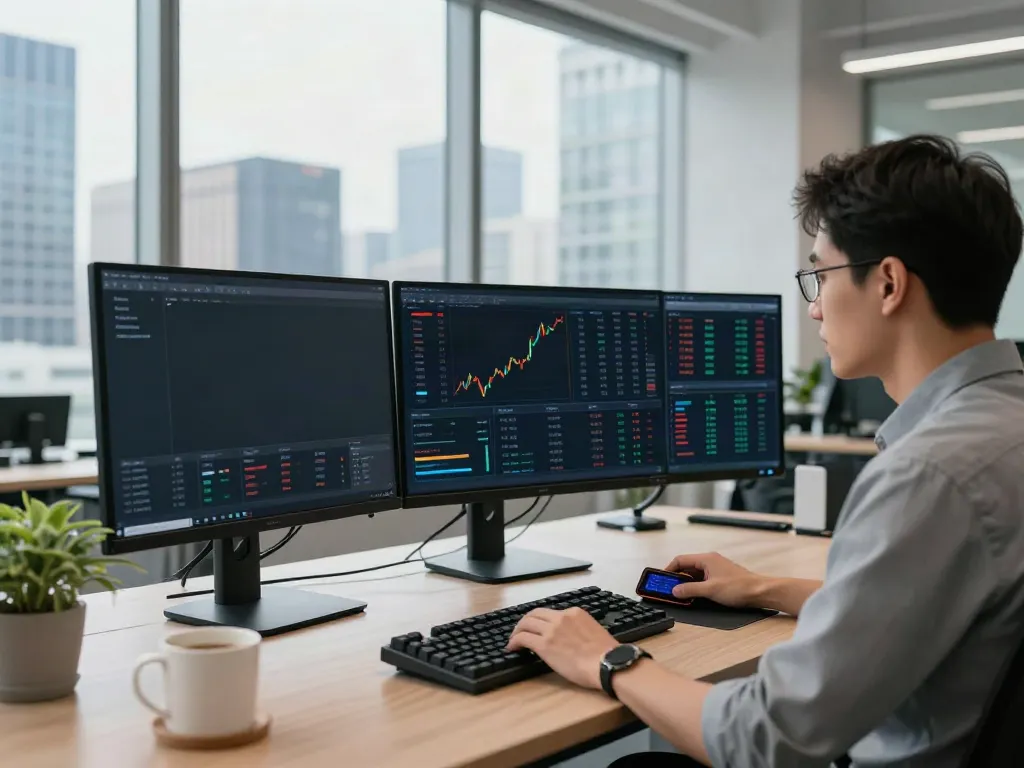
Creating a personalized workspace on TradingView is essential for optimizing your trading experience. Traders can customize their charts by selecting preferred indicators, arranging multiple charts side by side, and utilizing different layouts. This tailored environment enables traders to monitor multiple assets and markets simultaneously, enhancing their analytical capabilities.
Utilizing Indicators and Custom Scripts
Indicators are vital for technical analysis, and TradingView offers a plethora of built-in indicators to assist traders. Additionally, users can develop custom scripts using Pine Script to create unique indicators tailored to their specific strategies. This flexibility empowers traders to refine their analysis and adapt their strategies to changing market conditions.
Strategies for Backtesting and Strategy Validation
Backtesting is a crucial step in developing a trading strategy. TradingView allows users to backtest their strategies using historical data, enabling them to evaluate performance metrics such as win rate and drawdown before implementing them in live trading. By validating strategies through backtesting, traders can make more informed decisions and minimize risks associated with real-time trading.
Advanced Trading Techniques with TradingView
Once you have mastered the basics, several advanced trading techniques can further enhance your proficiency on TradingView. These techniques leverage the platform's advanced tools and features to achieve better trading outcomes.
Leveraging Multi-Chart Layouts for Better Analysis
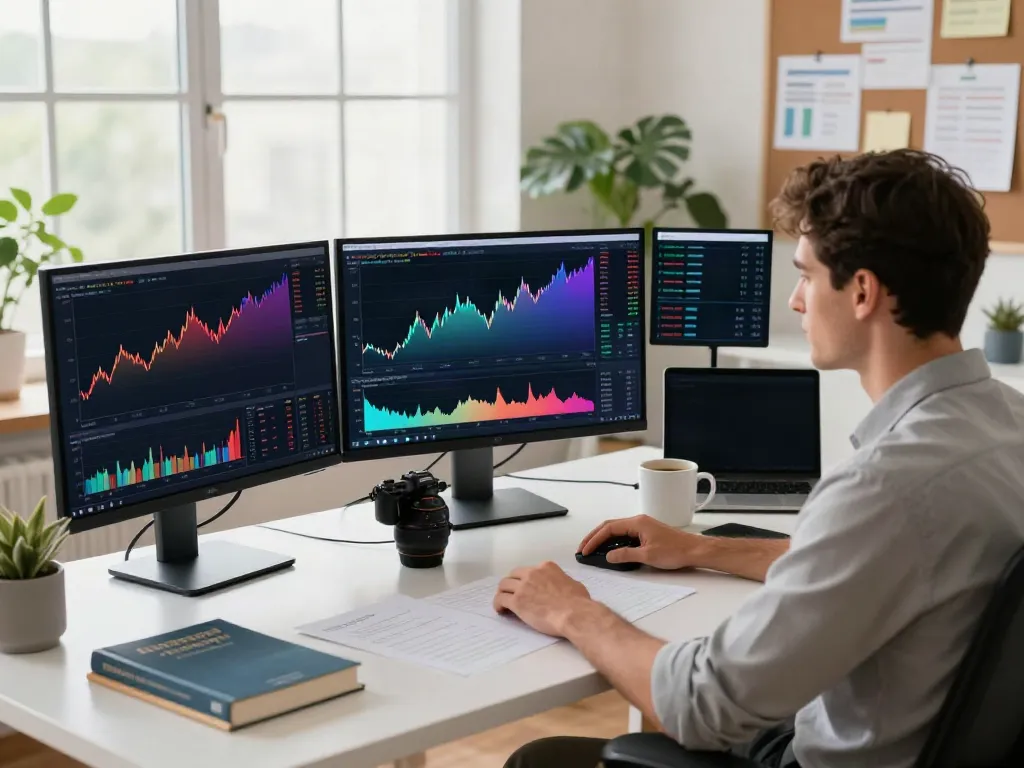
Utilizing multi-chart layouts is an advanced technique that allows traders to compare different assets or timeframes simultaneously. This approach can provide insights into correlations between different markets, enhancing overall analysis and decision-making. For example, a trader might observe how a major forex pair affects commodity prices, facilitating more informed trading decisions.
Implementing Trading Bots with TradingView
For those looking to automate their trading strategies, TradingView offers integration capabilities with trading bots. By connecting TradingView with trading bots, users can execute trades automatically based on pre-defined criteria. This can save time and eliminate emotional decision-making from the trading process.
Integrating Economic Calendars for Timely Decisions
Economic calendars are essential for tracking events that influence market volatility. TradingView allows users to integrate economic calendars directly into their charts, enabling them to make timely decisions based on upcoming reports or announcements, such as central bank interest rate decisions or employment statistics.
Future Trends in Trading and Technology
The trading landscape is continuously evolving, influenced by advancements in technology and market dynamics. Understanding these trends can help traders stay ahead of the curve and adapt their strategies accordingly.
What to Expect from Trading Platforms in 2026
By 2026, trading platforms like TradingView are expected to incorporate advanced artificial intelligence tools that facilitate more personalized trading experiences. Such tools may provide automated insights based on trading patterns, market sentiment, and historical data analysis, making it easier for traders to make informed decisions. Additionally, enhanced mobile capabilities will likely enable seamless trading experiences across devices.
Emerging Trading Strategies and Tools
As markets evolve, new trading strategies and tools will likely emerge. Strategies utilizing machine learning and data analysis will become more prevalent, allowing traders to identify potential opportunities more efficiently. Furthermore, tools that integrate with social trading and crowd-sourced data can provide unique insights that were previously unavailable.
Staying Ahead: The Role of AI in Trading
Artificial intelligence is poised to play a significant role in the future of trading. AI algorithms can analyze vast datasets far more quickly than humans, identifying market patterns and potential trading opportunities. Traders who harness AI tools will likely have a competitive edge in the market as they leverage data-driven insights to enhance their trading strategies.
What are the Benefits of a TradingView Community?
The TradingView community provides numerous benefits, including access to a wealth of knowledge and diverse perspectives. Traders can learn from others' experiences and analyses, gaining insights into varying strategies and market approaches. Engaging with the community also fosters collaboration, enhancing traders' skills and confidence.
Can Beginners Use TradingView Effectively?
Absolutely! TradingView is designed with users of all levels in mind. Beginners can access tutorials and resources within the platform, helping them understand key concepts and features. Additionally, the community serves as a valuable resource for novices seeking guidance and support as they embark on their trading journeys.
How to Troubleshoot Common TradingView Issues?
Users may encounter issues while using TradingView, such as slow loading times or difficulties setting up alerts. To troubleshoot these problems, it is recommended to check for browser compatibility, clear cache and cookies, or refer to TradingView's help center for potential solutions. Engaging with the community can also provide insights into common issues and fixes.
What are the Best Alternatives to TradingView?
While TradingView is an exceptional platform, there are other alternatives available, such as MetaTrader, ThinkorSwim, and NinjaTrader. Each platform offers unique features and tools that may appeal to different types of traders. It is crucial to assess individual trading needs and preferences when exploring alternatives.
How Does TradingView Compare to Other Platforms?
TradingView stands out from other trading platforms due to its extensive charting capabilities, user-friendly interface, and social features. While some platforms may offer advanced tools for specific asset classes, TradingView's all-in-one approach enables traders to analyze multiple markets from a single platform, providing a significant advantage.
Is TradingView Suitable for Long-Term Investors?
Yes, TradingView is suitable for long-term investors as well as day traders. The platform's ability to analyze historical data and trends makes it an excellent tool for long-term analysis and investment strategies. By leveraging TradingView's features, long-term investors can monitor asset performance and adjust their strategies based on market conditions over time.