Understanding Hair Transplant Istanbul
In recent years, Istanbul has emerged as a premier destination for hair transplant procedures, attracting thousands of patients from around the globe. The city boasts a unique blend of cutting-edge technology, experienced practitioners, and competitive pricing, making it an ideal choice for those seeking to restore their hair. Whether you are experiencing thinning hair, receding hairlines, or patchy bald spots, understanding the hair transplant process and the advantages of choosing Istanbul can empower you to make informed decisions about your hair restoration journey. When exploring options, hair transplant istanbul provides comprehensive insights into the best practices and clinics available.
What Is a Hair Transplant?
A hair transplant is a surgical procedure that involves moving hair follicles from a part of the body, known as the donor site, to a balding or thinning area, referred to as the recipient site. This technique is primarily used to treat male and female pattern baldness, but it can also be employed in cases of trauma, such as burns, or for individuals who have lost hair due to medical conditions. The most common methods for hair transplants include Follicular Unit Extraction (FUE) and Follicular Unit Transplantation (FUT), each offering distinct benefits depending on individual circumstances.
The History of Hair Transplants Worldwide
The concept of hair transplantation dates back to the mid-20th century when Japanese dermatologist Dr. Shoji Otokozawa performed the first documented hair transplant in 1939. However, it wasn't until the 1950s that hair transplants gained traction in the United States and Europe, thanks to the work of Dr. Norman Orentreich, who developed the technique of moving hair in a more natural pattern. Over the decades, advancements in technology and techniques have refined the process, resulting in more successful outcomes and increased popularity among patients looking for effective solutions to hair loss.
Why Choose Istanbul for Hair Transplants?
Istanbul has established itself as a leader in the field of hair restoration for several compelling reasons. Firstly, the city is home to some of the world's most skilled and experienced hair transplant surgeons, many of whom have trained in prestigious medical institutions. Secondly, the cost of hair transplants in Istanbul is significantly lower than in Western countries, often by as much as 70%. This notable difference in pricing does not compromise quality; many clinics prioritize patient care and adopt the latest technologies, ensuring highly satisfactory results.
Techniques and Technologies Used in Istanbul
FUE vs. FUT: What’s the Difference?
Follicular Unit Extraction (FUE) and Follicular Unit Transplantation (FUT) are the two most prevalent hair transplant methods. FUE involves extracting individual hair follicles from the donor area and transplanting them directly into the recipient site, resulting in minimal scarring and a quicker recovery time. In contrast, FUT involves removing a strip of scalp from the donor area, which is then divided into individual follicular units for transplantation. While FUT can lead to a linear scar, it may be more suitable for patients requiring larger grafts. The choice between the two methods often depends on individual preferences, hair loss extent, and the surgeon's recommendation.
Emerging Technologies in Hair Restoration
The field of hair restoration is continually evolving, with emerging technologies enhancing the precision and effectiveness of procedures. Advanced techniques, such as robotic-assisted hair transplants, are making waves in Istanbul's clinics, offering increased accuracy in graft placement and reducing the time required for surgery. Additionally, techniques involving platelet-rich plasma (PRP) therapy are being integrated to promote hair growth post-surgery, enhancing overall results.
Expert Techniques Used by Istanbul Clinics
Clinics in Istanbul employ a variety of expert techniques to cater to individual patient needs. Many utilize a blend of traditional and cutting-edge practices, ensuring personalized care. For instance, some clinics offer customized hairline design, taking into account the patient's face shape and age, to achieve natural-looking results. Consultations often include a thorough analysis of the patient's scalp and hair type, allowing surgeons to tailor their approach effectively.
Preparing for Your Hair Transplant in Istanbul
Initial Consultation: What to Expect?
During the initial consultation, prospective patients are typically assessed based on their medical history and hair loss patterns. Surgeons may utilize photographic documentation and digital imaging to discuss expected outcomes and set realistic goals. This session is crucial for establishing rapport and understanding the patient’s concerns, which guides the surgical plan. Many clinics also provide virtual consultations to accommodate international patients.
Pre-Procedure Preparations and Tips
Preparing for a hair transplant involves several key steps to ensure the best outcomes. Patients are advised to avoid blood-thinning medications, alcohol, and smoking in the weeks leading up to the procedure, as these can affect healing. Additionally, maintaining a well-balanced diet can support scalp health prior to surgery. It's also recommended to arrange for post-operative care, including transportation, as recovery can vary from patient to patient.
Understanding Costs and Benefits
The cost of hair transplants in Istanbul varies depending on several factors, such as the clinic's reputation, the surgeon's expertise, and the technique used. On average, prices range from $1,500 to $3,000 for a comprehensive package, including consultation, surgery, and post-operative care. While the initial investment may seem significant, many patients find that the long-term benefits of enhanced appearance and increased self-confidence far outweigh the costs.
Post-Procedure Care and Recovery
Immediate Care After Your Hair Transplant
Proper aftercare is vital for a successful hair transplant. Immediately following surgery, patients may experience swelling and discomfort, which can be managed with prescribed pain medications. It's crucial to follow the surgeon's aftercare instructions meticulously; this may include avoiding strenuous activities, not touching the grafted area, and using specialized shampoos for washing.
Long-Term Maintenance Tips
Long-term care for transplanted hair goes beyond immediate post-operative instructions. Patients are encouraged to maintain a healthy lifestyle, including a balanced diet and proper hydration, to support hair growth. Regular check-ups with the clinic can help monitor progress and address any concerns. Some patients explore additional treatments, such as laser therapy or PRP, to boost results.
Expected Results and Timelines
Hair transplant results usually become apparent within a few months. Initial shedding of transplanted hair is normal, but new hair growth typically begins around three to six months post-surgery. Most patients see significant improvements in density and thickness within one year, although full results may take up to 18 months to manifest. Understanding this timeline can help patients manage their expectations during the recovery process.
Future Trends in Hair Restoration
Innovations on the Horizon: What to Look For in 2026
As technology advances, the future of hair restoration looks promising. By 2026, innovations such as gene therapy and stem cell treatments may emerge, offering even more effective solutions for hair loss. Research is currently underway to explore how these therapies can encourage hair regrowth at a genetic level, potentially revolutionizing the industry.
Patient Experiences and Testimonials
Patient experiences play a crucial role in shaping perceptions about hair transplants in Istanbul. Many individuals report high satisfaction rates owing to the quality of care and advanced techniques utilized. Testimonials often highlight the journey from initial consultation to the final results, showcasing improvements not just in hair growth but also in self-esteem and confidence.
The Future of Hair Transplant Clinics in Istanbul
The landscape of hair transplant clinics in Istanbul is expected to grow, with more facilities adopting international standards and guidelines. As awareness increases, clinics are anticipated to offer more holistic approaches to treatment, combining medical expertise with aesthetic sensibilities. This evolution will likely lead to enhanced patient outcomes and satisfaction.
What Should I Expect During a Hair Transplant?
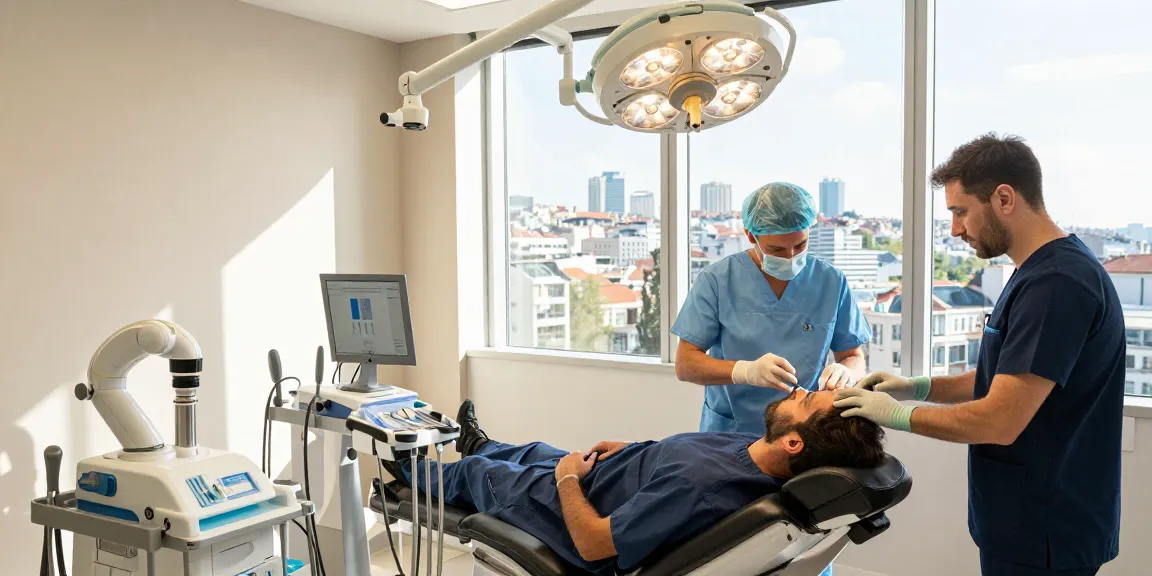
During a hair transplant, patients should expect a comprehensive procedure that can last several hours, depending on the extent of the transplant. Anesthesia is administered, and patients are briefed about the process, including the harvesting and implantation techniques used. Many report feeling minimal discomfort during the procedure.
How Long Does Recovery Take After a Hair Transplant?
Recovery times vary, but most patients can return to their normal activities within a week. Initial redness and swelling typically subsides after a few days. Full recovery and the visibility of results take time, so patience is essential as the transplanted hair settles and begins to grow.
Are Hair Transplants in Istanbul Safe?
Hair transplants in Istanbul are considered safe when performed by qualified and experienced professionals. Clinics that maintain international accreditation and adhere to strict hygiene standards ensure a lower risk of complications. Prospective patients should conduct thorough research on clinics and surgeons to confirm their credentials and history.
What Are the Costs of Hair Transplant in Istanbul?
As mentioned earlier, costs for hair transplants in Istanbul can range widely based on the techniques used and the clinic's repute. Patients typically find greater affordability compared to Western counterparts, without sacrificing quality, making it a popular choice for those seeking effective hair restoration solutions.
Is There a Risk of Hair Loss After a Transplant?
While hair transplants are generally successful, there is a risk of hair loss in the months following the procedure. This phenomenon, known as shock loss, occurs when the transplanted hair temporarily sheds before new growth begins. However, most patients will regrow their hair, resulting in improved density over time.