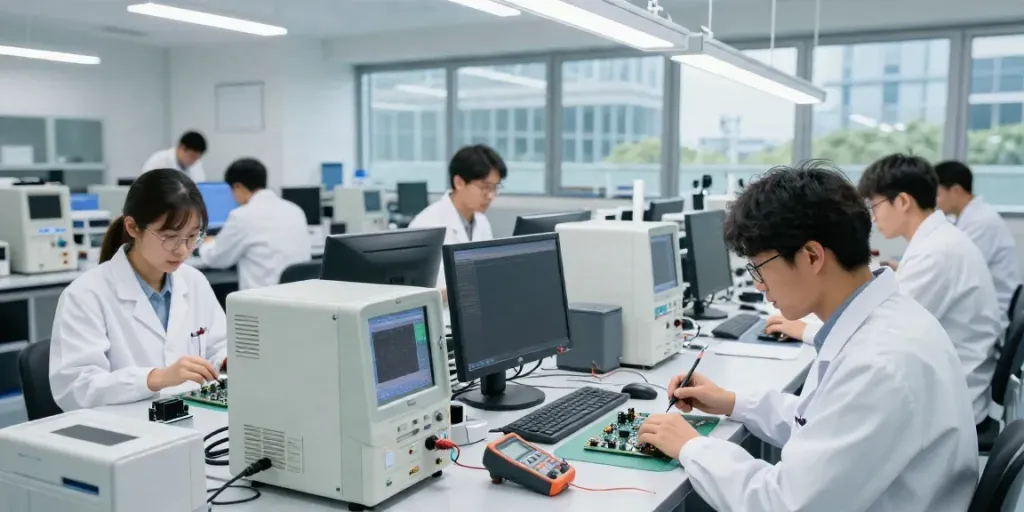
Understanding PCB Assembly Testing Services
In the realm of electronics manufacturing, ensuring the functionality and reliability of printed circuit boards (PCBs) is paramount. PCB assembly testing services play a crucial role in validating the performance of these boards throughout the production process. By employing rigorous testing protocols, manufacturers can identify defects early and guarantee that their products meet stringent quality standards. As the demand for high-performance electronics continues to surge, understanding the intricacies of PCB testing becomes vital for manufacturers aiming to stay competitive in the market. When exploring options, PCB assembly testing services can provide comprehensive insights into best practices and methodologies.
What are PCB Assembly Testing Services?
PCB assembly testing services encompass a variety of methodologies designed to evaluate printed circuit boards after manufacturing and assembly. These services include functional testing, in-circuit testing (ICT), boundary scan testing, and other electrical tests that assess the board's performance. By conducting these tests, manufacturers can ensure that each PCB meets operational specifications and is free from defects that could lead to failure in end-use applications.
The Importance of Testing in PCB Assembly
Testing in PCB assembly is essential for several reasons. Firstly, it helps identify defects that could result in product failure later on, consequently helping to reduce costly returns and warranty claims. Secondly, thorough testing enhances customer confidence as it ensures that only high-quality products reach the market. Additionally, it can aid in compliance with industry standards, which is particularly important in sectors like aerospace, medical, and automotive where reliability is crucial.
Types of Testing Methods Used in PCB Assembly
Various testing methods can be employed in PCB assembly, each serving a unique purpose:
- Functional Testing: This method involves testing the assembled PCB under operational conditions to ensure it performs as intended.
- In-Circuit Testing (ICT): ICT helps identify solder defects by checking the electrical connections of each component on the PCB.
- Automatic Optical Inspection (AOI): AOI utilizes cameras to visually inspect PCBs for soldering defects or misaligned components.
- Boundary Scan Testing: This technique tests the interconnects on PCBs using embedded boundary scan logic.
- Environmental Testing: Involves subjecting the PCB to various environmental stresses such as temperature and humidity to assess performance and durability under extreme conditions.
Challenges in PCB Assembly Testing
Common Obstacles in Quality Assurance
Despite the crucial role of testing, various challenges can hinder effective quality assurance in PCB assembly. Among these challenges are the complexity of modern PCBs, which often incorporate a multitude of components and intricate layouts. Additionally, rapid technological advancements can lead to outdated testing protocols that may not adequately assess new designs. Furthermore, time constraints and pressure to reduce costs can compromise the thoroughness of testing procedures, resulting in undetected defects.
Misconceptions About PCB Testing Services
There are several misconceptions surrounding PCB testing services that can lead to poor decision-making. One common myth is that testing is simply an extra cost rather than a necessary investment. Many manufacturers underestimate the long-term financial benefits of reliable testing, including reduced failures and enhanced market reputation. Another misconception is that all testing methods are equally effective; however, the right testing strategy depends on the specific application and design of the PCB.
Addressing the Cost vs. Quality Debate
When discussing PCB assembly testing, the cost versus quality debate often arises. While intensive testing procedures may require a higher upfront investment, they can significantly reduce costs associated with product failures and recalls in the long run. Manufacturers should weigh the potential risks of not incorporating robust testing against the investment required to ensure quality, ultimately leading to better customer satisfaction and brand loyalty.
Best Practices for Implementing PCB Testing Services
Choosing the Right Testing Services for Your Needs
Selecting the appropriate testing service is crucial for ensuring that PCBs meet industry standards. Manufacturers should consider factors such as the complexity of the designs, the operating environment, and specific industry regulations. Consulting with experts can help determine the most suitable testing methods and protocols to implement.
Integrating Testing into Your Production Flow
Integrating testing into the production flow is essential for ensuring efficiency and effectiveness. Testing should be incorporated at various stages of the assembly process, from initial prototype testing to final inspections. This approach allows for early detection of issues, minimizing disruptions in production and reducing the risk of defective products being shipped to customers.
Continuous Improvement Strategies in Testing
To maintain high-quality standards, manufacturers must commit to continuous improvement in their testing practices. This can be achieved by regularly reviewing and updating testing protocols, investing in advanced testing technologies, and providing training for personnel. Establishing a culture of quality within the organization ensures that every team member is focused on delivering the best possible results.
Real-World Applications of PCB Assembly Testing
Case Studies Demonstrating Testing Impact
Numerous case studies illustrate the positive impact of PCB assembly testing on manufacturing outcomes. For instance, a leading aerospace company implemented rigorous functional testing protocols that led to a 40% reduction in product recalls, showcasing the effectiveness of thorough testing in high-stakes industries. Similarly, a medical device manufacturer that adopted comprehensive in-circuit testing saw improved reliability and customer satisfaction ratings.
Industry Leaders and Their Testing Protocols
Several industry leaders set a precedent for effective PCB testing protocols. Companies like Siemens and Intel utilize state-of-the-art testing technologies, including artificial intelligence-driven optical inspection systems, to enhance defect detection rates. Their testing processes not only validate product quality but also contribute to ongoing innovation in electronics manufacturing.
Lessons Learned from Real-World Testing Failures
Learning from past mistakes is crucial for improving PCB assembly testing practices. High-profile product failures, such as those experienced by a major smartphone manufacturer due to undetected PCB faults, underline the need for rigorous testing. These lessons emphasize the importance of adopting comprehensive testing frameworks that encompass all potential failure modes.
Future Trends in PCB Assembly Testing (2026 and Beyond)
Emerging Technologies in PCB Testing
The future of PCB assembly testing is poised for transformation with emerging technologies. Advancements in machine learning and artificial intelligence are expected to enhance testing accuracy and efficiency, enabling automated defect detection systems that can learn and adapt to new design features. Additionally, the integration of the Internet of Things (IoT) will likely facilitate remote monitoring and real-time testing data analysis.
Predictions for the Future of PCB Testing Services
Looking ahead, the demand for PCB assembly testing services will likely increase as consumers continue to prioritize reliability and performance. Manufacturers may adopt a more holistic approach to testing, combining various methods to create a comprehensive quality assurance framework. The shift toward sustainability will also influence testing processes, with an emphasis on environmentally friendly materials and manufacturing practices.
Preparing for Changes in Testing Standards
As industry standards evolve, manufacturers must remain adaptable in their testing strategies. Regular training and updates on new standards will be necessary to ensure compliance and to maintain a competitive edge in the market. Staying ahead of regulatory changes will also help manufacturers avoid potential pitfalls associated with non-compliance and enhance their overall product credibility.
How much does a PCB test cost?
The cost of PCB testing varies significantly depending on the testing methods used, the complexity of the PCB, and the level of detail required in the testing process. Simple visual inspections may cost less, while automated functional testing could incur higher expenses. Manufacturers should evaluate their specific needs and budget accordingly to ensure they receive the best value.
What are the benefits of PCB assembly testing services?
PCB assembly testing services offer numerous benefits, including improved product reliability, reduced risk of field failures, enhanced customer satisfaction, and compliance with safety standards. By investing in thorough testing, manufacturers can ensure their products are optimized for performance and durability in real-world applications.
Can PCB assembly testing be automated?
Yes, PCB assembly testing can be automated, and many manufacturers are integrating automated inspection systems into their workflows. Technologies such as automated optical inspection (AOI) and machine learning algorithms can significantly enhance testing efficiency and accuracy, allowing for faster detection of defects.
What are the latest trends in PCB testing services?
The latest trends in PCB testing include increased automation, the use of artificial intelligence for real-time defect detection, and a greater emphasis on sustainability. As technology continues to evolve, manufacturers will need to adopt these trends to remain competitive and meet customer expectations effectively.
How can I choose the right PCB assembly service provider?
Choosing the right PCB assembly service provider involves evaluating factors such as expertise, technology capabilities, quality certifications, and customer reviews. Manufacturers should also consider the provider's testing protocols to ensure they align with their quality assurance goals.