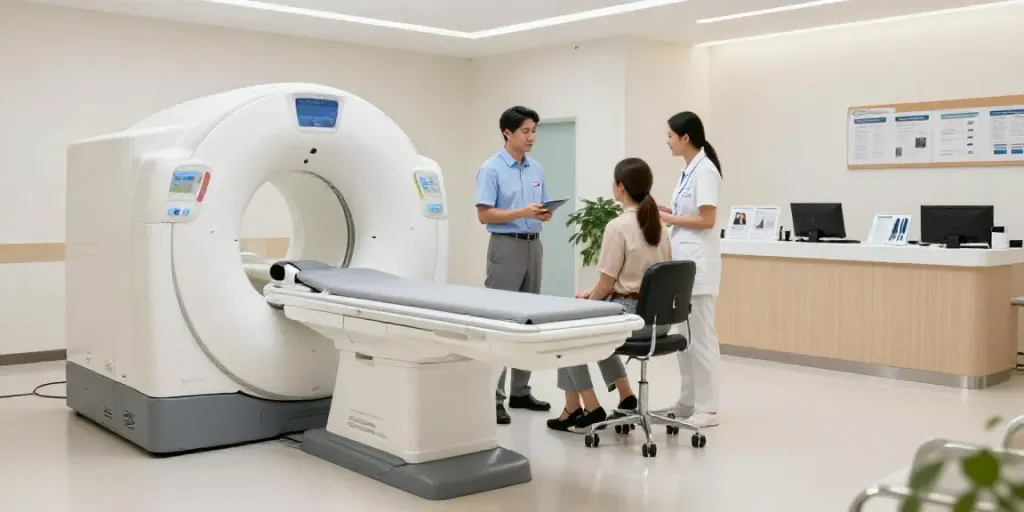
Understanding Prostate Cancer Treatment in Abu Dhabi
Prostate cancer is a significant concern for men worldwide, particularly in regions like Abu Dhabi, where advancements in healthcare are making impactful strides in diagnosis and treatment. The Cleveland Clinic Abu Dhabi stands at the forefront of providing specialized care for patients facing this challenge. When exploring options, Prostate cancer treatment in Abu Dhabi offers comprehensive insights into the latest techniques and protocols aimed at enhancing patient outcomes.
What is Prostate Cancer?
Prostate cancer is a malignant tumor that develops in the prostate gland, an integral part of the male reproductive system. It is characterized by the abnormal growth of cells within the prostate, which can lead to various complications if not detected and addressed early. Importantly, while prostate cancer can be aggressive, many cases are slow-growing, allowing for monitoring rather than immediate treatment in certain scenarios.
Key Statistics and Trends
Prostate cancer remains the second most common cancer among men globally, with rising incidence rates noted in the Middle East, including the UAE. Statistics reveal that approximately 1 in 8 men will be diagnosed with prostate cancer during their lifetime. The Cleveland Clinic Abu Dhabi reports that early detection and modern treatment options significantly enhance survival rates and improve the quality of life for patients.
Importance of Early Detection and Treatment
Detecting prostate cancer at its earliest stages is crucial for successful treatment outcomes. Many patients remain asymptomatic in the early phases, making regular screenings essential. A proactive approach, including digital rectal exams (DRE) and prostate-specific antigen (PSA) tests, can lead to timely interventions, drastically improving prognosis and treatment efficacy.
Reasons to Choose Our Prostate Cancer Program
The Prostate Cancer Program at Cleveland Clinic Abu Dhabi is designed to provide men diagnosed with prostate cancer with the highest standard of care. This commitment to excellence is underpinned by several key factors.
Expert Multidisciplinary Care Team
Our team comprises specialists from diverse fields, including urology, radiation oncology, medical oncology, and pathology. This multidisciplinary approach ensures that every patient receives a comprehensive evaluation and individualized treatment plan, focusing on the most effective treatment options tailored to their specific condition.
Advanced Diagnostic Technologies
Utilization of cutting-edge diagnostic tools is at the core of our Prostate Cancer Program. We are proud to offer MRI fusion-guided biopsies, a technique that allows clinicians to obtain tissue samples from suspicious areas with high precision, ensuring accurate diagnosis and reducing the likelihood of false negatives.
Personalized Treatment Plans
Each prostate cancer diagnosis is unique; therefore, treatment plans are customized for each patient. Factors such as the stage of cancer, overall health, and personal preferences are taken into account, facilitating a tailored approach that optimizes treatment effectiveness while minimizing side effects.
Symptoms, Causes, and Risk Factors
Being well-informed about the symptoms and risk factors associated with prostate cancer can empower men to seek timely medical help.
Common Symptoms of Prostate Cancer
In many cases of early-stage prostate cancer, symptoms may not be present. However, as the disease progresses, the following symptoms may arise:
- Increased frequency of urination, especially at night
- Difficulty starting or stopping urination
- Weak or interrupted urine flow
- Painful urination
- Painful ejaculation
- Blood in urine or semen
- Chronic pain in the lower back, hips, or pelvis
Identifying Risk Factors
Several factors can increase the likelihood of developing prostate cancer, including:
- Age: Risk increases significantly for men over 50.
- Family history: Having a close relative with prostate cancer can increase risk.
- Ethnicity: African American men have a higher incidence of prostate cancer.
- Obesity and diet: Poor dietary habits may also contribute to risk.
The Impact of Lifestyle Choices
Maintaining a healthy lifestyle can mitigate some of the risks associated with prostate cancer. Regular exercise, a balanced diet rich in fruits and vegetables, and maintaining a healthy weight are recommended to promote overall health and potentially reduce cancer risks.
Comprehensive Screening and Diagnosis Techniques
Understanding the screening and diagnostic process is essential for proactive health management.
Screening Methods for Early Detection
Regular screenings are vital for the early detection of prostate cancer. The primary methods include:
- Digital Rectal Exam (DRE): A physical examination to check for abnormalities in the prostate.
- Prostate-Specific Antigen (PSA) Test: A blood test measuring the level of PSA, which may indicate prostate cancer.
Understanding Prostate Biopsy Procedures
If initial screenings suggest the presence of cancer, a prostate biopsy is necessary to confirm the diagnosis. This involves removing small tissue samples from the prostate for laboratory analysis, helping determine the presence and aggressiveness of cancer cells.
Advanced Imaging Techniques in Diagnosis
Cleveland Clinic Abu Dhabi employs advanced imaging technologies, such as MRI and PET scans, that enhance diagnosis accuracy. These imaging modalities allow for a detailed view of the prostate and surrounding tissues, contributing to informed treatment decisions.
Effective Treatment Options for Prostate Cancer
Once diagnosed, various treatment options are available, tailored to the individual’s specific condition.
Minimally Invasive Surgical Techniques
For localized prostate cancer, minimally invasive surgical techniques, such as robotic-assisted laparoscopic prostatectomy, are commonly employed. These methods offer advantages like reduced blood loss, shorter recovery times, and less postoperative pain.
Radiation and Hormonal Therapies
Radiation therapy is often used for both localized and advanced prostate cancer. Hormonal therapy, aimed at reducing testosterone levels, can also be effective for managing more aggressive forms of the disease.
Post-Treatment Care and Support
Following treatment, ongoing care is vital for managing any side effects and monitoring for recurrence. Our team emphasizes a holistic approach to recovery, focusing on both physical and emotional support for patients and their families.
What are Emerging Trends in Prostate Cancer Treatment?
Research and advancements in prostate cancer treatment are rapidly evolving. Emerging therapies, including immunotherapy and targeted treatments, show promise in improving patient outcomes and extending survival rates.
What should I expect during my prostate cancer appointment?
During an appointment, patients can expect a thorough evaluation, including a review of their medical history, a physical examination, and recommendations for diagnostic tests. Following this, the healthcare team will discuss potential treatment options and address any questions or concerns.
How do lifestyle changes affect prostate cancer outcomes?
Adopting a healthier lifestyle can significantly impact prostate cancer outcomes. Regular exercise, a nutrient-rich diet, and avoiding smoking can enhance treatment efficacy and improve overall health.
What are the financial considerations for prostate cancer treatment?
Understanding the costs associated with prostate cancer treatment is crucial. Patients should discuss their insurance options and potential out-of-pocket expenses with their healthcare providers to plan accordingly.
Can prostate cancer be prevented?
While there’s no guaranteed way to prevent prostate cancer, adopting a healthy lifestyle can reduce risk. Regular screenings and discussions with healthcare providers about personal risk factors are also recommended.
How often should men over 40 get screened for prostate cancer?
Men over 40 should have annual discussions with their healthcare provider about prostate cancer screening. Those with higher risk factors should consider more frequent evaluations.