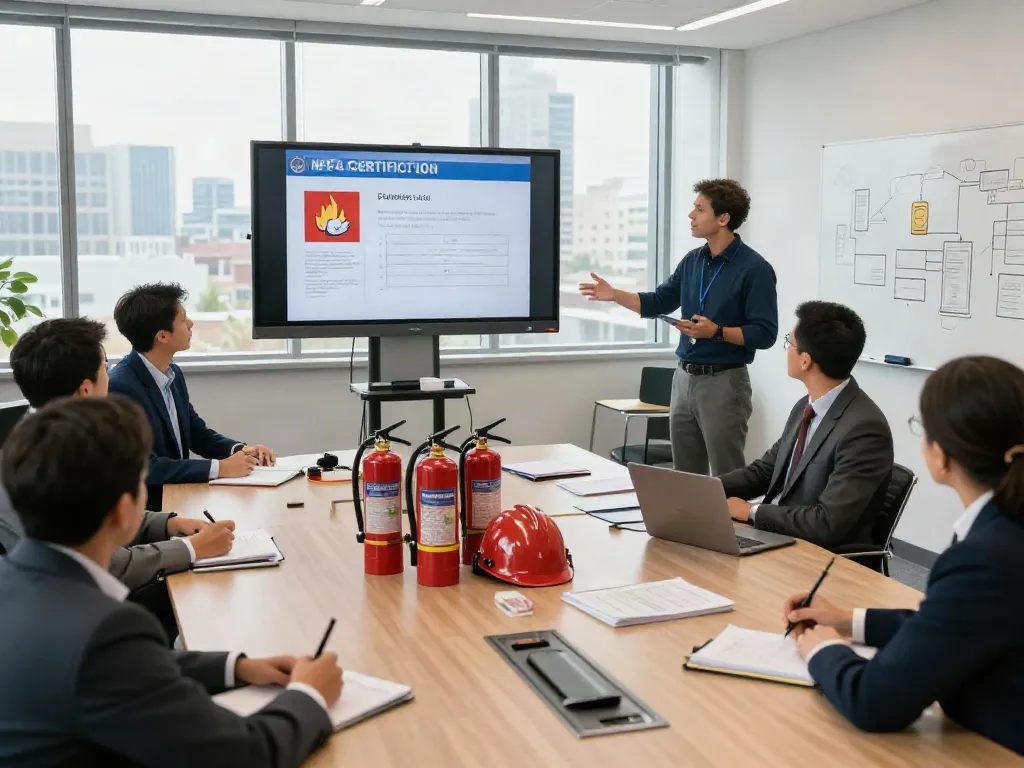
Understanding NFPA Certification Training
In an increasingly safety-conscious world, the importance of fire safety education cannot be overstated. The National Fire Protection Association (NFPA) Certification Training is a crucial part of this educational landscape, equipping professionals with the knowledge and skills to handle fire-related hazards effectively. This article delves into the intricacies of NFPA Certification Training, exploring its significance for safety professionals and organizations alike, and how it can drive a culture of safety within various industries.
For those seeking comprehensive guidance, NFPA Certification Training offers a robust foundation for understanding fire safety standards and practices.
What is NFPA Certification Training?
NFPA Certification Training comprises a series of educational programs developed and sanctioned by the NFPA, focusing on fire prevention, electrical safety, emergency response, and more. Designed for individuals and organizations, these programs aim to cultivate expertise in fire safety practices and compliance with established standards.
When aspiring for NFPA certification, participants can expect to engage in rigorous coursework led by seasoned experts. Training involves both theoretical knowledge and practical applications, ensuring that graduates emerge not only knowledgeable but also capable of implementing safety measures in real-world scenarios.
Importance of NFPA Training for Safety Professionals
For safety professionals, NFPA Training provides critical knowledge needed to effectively manage risks associated with fire and electrical hazards. It empowers individuals to develop robust safety protocols, ensuring compliance with national and international standards.
Moreover, NFPA Certification signifies a commitment to excellence in safety practices. Certified professionals are often sought after for their expertise, enhancing their career prospects and establishing them as leaders in their respective fields. As industries evolve, ongoing education through NFPA programs ensures that safety professionals remain adept at navigating new challenges and technologies.
Overview of NFPA Certification Levels
The NFPA offers a variety of certification levels designed to cater to different roles within the fire safety ecosystem. These include:
- Certified Fire Protection Specialist (CFPS): Focuses on comprehensive fire protection strategies.
- Certified Fire Inspector (CFI): Emphasizes the importance of fire inspections and code compliance.
- Certified Fire and Explosion Investigator (CFEI): Focuses on investigation techniques post-fire incidents.
Each level of certification demands a different set of competencies and expertise, allowing professionals to choose a path that aligns with their career aspirations and organizational needs.
Benefits of NFPA Certification for Organizations
Improving Workplace Safety Standards
Implementing NFPA Certification Training within an organization not only enhances individual knowledge but also fundamentally improves overall workplace safety standards. Organizations that prioritize safety training create an environment where employees can identify, assess, and mitigate hazards before they become serious incidents.
With certified personnel on staff, organizations can expect improved compliance with safety regulations, ultimately reducing liability and protecting both their workforce and assets.
Enhancing Employee Confidence and Skills
NFPA Certification Training equips employees with essential skills and knowledge, boosting their confidence in handling emergency situations. This training builds a culture of safety, where employees feel empowered to act decisively and effectively in the face of fire hazards.
Moreover, organizations benefit from reduced workplace incidents, creating a safer and more productive work environment that fosters employee morale and job satisfaction.
Cost-Effectiveness of On-Site Training Programs
One of the significant advantages of NFPA Certification Training is the option for on-site training programs. Organizations can reduce costs related to travel and accommodation while receiving tailored training that meets specific operational needs.
This flexibility not only enhances the learning experience but also ensures that employees can apply their newfound skills directly within their work environments, further solidifying their training efforts.
How to Choose the Right NFPA Training Provider
Key Factors to Consider When Selecting a Provider
Selecting the appropriate training provider is crucial in obtaining effective NFPA Certification Training. Key considerations include the provider's reputation, the range of courses offered, and their understanding of industry-specific safety challenges.
Additionally, organizations should evaluate if the provider has comprehensive support systems in place to aid participants throughout the certification process.
Evaluating Instructors' Qualifications and Experience
Instructors play a pivotal role in the success of NFPA training programs. Organizations should prioritize training providers with experienced instructors who hold the necessary certifications and have a proven track record in fire safety and risk management.
Experts with real-world experience can provide invaluable insights and practical knowledge that enhance the learning process.
Understanding Training Program Flexibility and Customization
Flexibility in training delivery is vital for accommodating various organizational schedules and learning preferences. Look for training providers who offer customized content tailored to the unique needs of your team. This ensures that the training is relevant and directly applicable to the challenges employees face in their daily operations.
Providers that offer a mix of delivery methods—such as in-person, online, and blended options—can further enhance the learning experience by allowing employees to choose the format that works best for them.
Common Challenges in NFPA Certification Training
Overcoming Misconceptions About Certification Process
One of the primary misconceptions about NFPA Certification Training is that it is overly complicated or unnecessarily burdensome. In reality, the certification process is designed to be accessible, with structured pathways and clear guidelines for participants.
Addressing these misconceptions through informative resources and testimonials can help demystify the process and encourage more professionals to pursue certification.
Maintaining Engagement During Training Sessions
Training sessions can sometimes become monotonous, leading to disengagement among participants. To combat this, trainers should incorporate interactive elements, such as group discussions, hands-on activities, and simulations, which can enhance the learning experience and keep participants engaged.
Utilizing modern technologies and digital tools can also help make training sessions more dynamic and relevant to today’s workforce.
Adapting Training for Specific Industry Needs
Every industry faces unique challenges with regards to fire safety and risk management. NFPA Certification Training should be adaptable, allowing organizations to tailor content that aligns with their specific operational environments.
Training providers should work closely with organizations to identify these needs and develop courses that address them directly, fostering a more effective learning experience.
Future Trends in NFPA Certification and Training
Digital Transformation in Fire Safety Education
The landscape of fire safety education is evolving rapidly, with digital technology playing a significant role in changing how training is delivered. Virtual classrooms, online modules, and interactive platforms are making NFPA Certification Training more accessible to a broader audience.
This digital shift not only allows for flexible learning but also creates opportunities for ongoing education, where professionals can stay updated on the latest trends and safety practices.
Emerging Technologies in Training Delivery
Emerging technologies such as virtual reality (VR) and augmented reality (AR) are increasingly being integrated into fire safety training. These tools provide immersive environments for participants to practice their skills in realistic scenarios without the associated risks.
By simulating emergency situations, trainees can develop their decision-making skills and response strategies more effectively, enhancing the overall quality of training.
Regulatory Changes Impacting NFPA Training in 2026
As safety regulations evolve, NFPA Certification Training will need to adapt accordingly. Understanding the potential regulatory changes anticipated in 2026 is crucial for organizations aiming to remain compliant and competitive.
Training providers should monitor these changes closely to ensure their courses reflect the latest requirements and best practices within the industry.
FAQs About NFPA Certification Training
How do I become NFPA certified?
To become NFPA certified, individuals must complete the necessary training programs and pass the corresponding certification exams. Many training providers, including Burraq Consulting, offer comprehensive preparation resources to guide candidates through this process.
Are NFPA certifications worth it?
Yes, NFPA certifications are highly respected in the industry, enhancing professionals' credibility and career opportunities. They signify a commitment to safety and expertise in fire protection and emergency response.
How long does it take to get NFPA certification?
The time required to achieve NFPA certification varies depending on the specific certification and individual commitment. On average, participants can expect to spend several weeks preparing for and completing the necessary assessments.
How much does NFPA certification cost?
The cost of NFPA certification can vary based on the training provider and the specific certification program. It's best to consult with your chosen provider for detailed pricing information.
What topics are covered in NFPA certification training?
NFPA certification training covers a wide range of topics, including fire prevention strategies, emergency response protocols, electrical safety standards, and compliance with safety regulations. Each program is tailored to meet the specific needs of participants and their industries.